Services
We’re here when your time is not.
My academic background is in the social sciences and humanities (I use both disciplinary ‘umbrella’ terms, as there are differences between institutions that just can’t decide which disciplines fall under which category), in particular anthropology. I have explored and written on a diverse range of topics such as spatiality (using the works of geographers and anthropologists, including sensory ethnographers), well-being, mental health and the COVID-19 pandemic (medical anthropology, psychiatry, (bio)politics and history), temporality, migration (ethnicity and conflict), bureaucracy, Hinduism and feminist critiques of caregiving. So my academic interests cover a wide range of sub-disciplines, ensuring an understanding of the works that we can copy-edit.
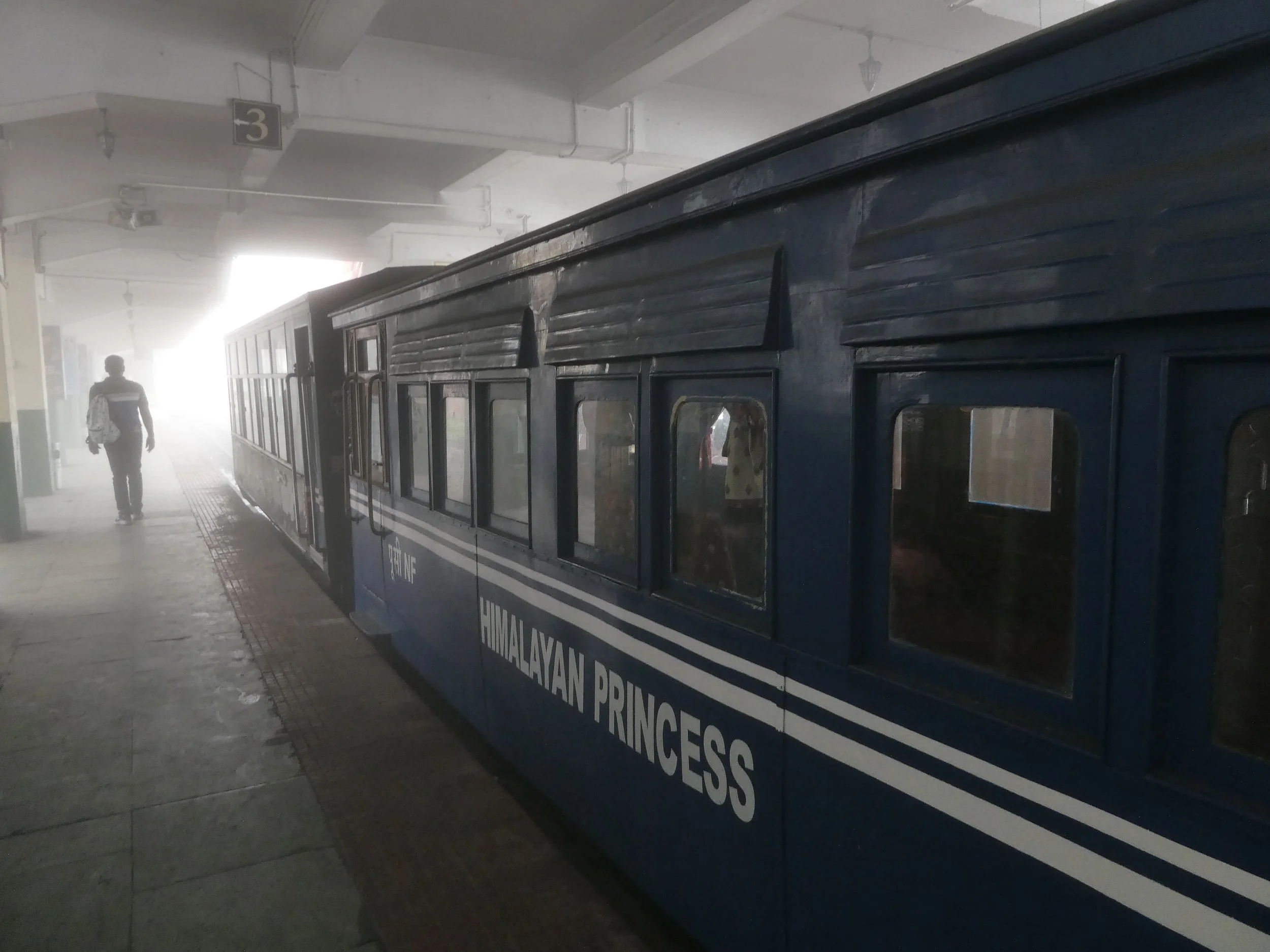
The Darjeeling ‘toy train’, India. © Tom Marshall, 2023.
I am often asked what is the difference between copy-editing and proof-reading. Knowing the difference will save you time and money.
Here is how the Chartered Institute of Editing and Proofreading defines the terms.
Copy-editing: editing the copy (content) to match the client’s brief…The copyeditor [sic] follows a house style or custom style sheet to make the content (text, references, illustrations etc [sic]) clear and consistent throughout, correcting errors in grammar, spelling, vocabulary and punctuation…Depending on the quality and completeness of the original, copyediting [sic] may include some queries, rewording, rewriting, restructuring’.
Proof-reading: ‘reading and marking up the proofs of a text to fix any problems in layout and design; errors introduced during typesetting; or mistakes missed during copyediting [sic]. It is the final stage before the text is released for publication, so the proofreader should not be looking to improve the writing style, layout or any other aspect of the text, and needs to take into account the effects of any changes they mark and how they will fit into the existing page layout’.
f
What T&D’s services do and do not include:
What we do, do…
What we don’t do…
-
Format bibliographies per publisher’s requirements unless an additional fee is paid - see Pricing page.
Suggest additional readings, literature omissions and overall perspective.
Peer review.
In-text citation or paraphrasing accuracy based on source material(s).
Copy-editing and proof-reading is NOT peer-reviewing.
-
Spell check and amend grammatical errors.
Suggest improvements to manuscript structure, sentence and paragraph flow.
Cross-check that in-text and bibliography references match.
In-text referencing as per publisher’s format.
Anonymise manuscripts where applicable.
Check and amend UK to American spelling, and vice-versa (except for direct quotations).
Editing for non-native English writers, while maintaining your voice (reflecting concerns that ‘Western’ publishers can be (in)directly biased towards such styles).
Gross formatting as per a publisher’s requirements (e.g. margins, spacing, font and font size).
Embed tables, photographs, artwork where applicable.
Bibliography formatting at and extra fee - see Pricing page.
-
Check for spelling and grammatical errors.
Basic formatting.